
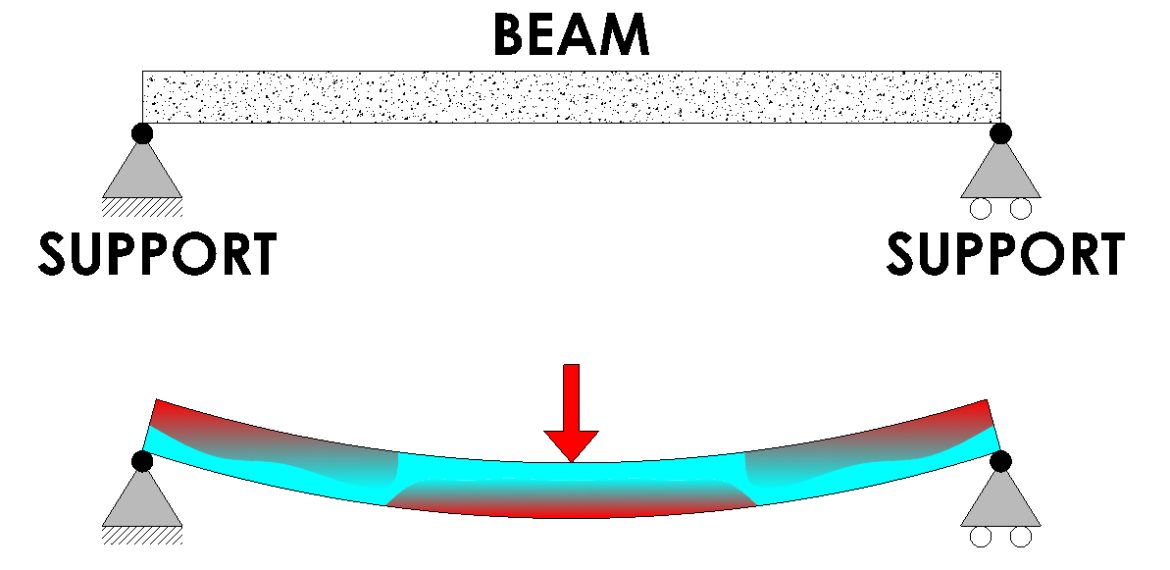
Beam deflection is critical in structural design as it underpins the safety, functionality, and longevity of buildings and infrastructure. Proper deflection control ensures that stress is evenly distributed across beams, preventing structural failures and material fatigue by avoiding excessive stress cycles that could lead to cracks and breaks. This control maintains the load capacity of beams, enabling them to support both designated and unexpected loads safely, thus preserving the structural integrity. From a functional standpoint, controlling deflection ensures the serviceability of spaces by keeping floors stable and usable, preventing issues such as sagging which can disrupt the normal use of the building. It also ensures operational consistency in industrial settings, where excessive deflection could interfere with the functioning of machinery and equipment. Aesthetically, managing deflection prevents visible sagging and cracking in walls and ceilings, maintaining the building’s visual appeal and structural integrity, and avoiding costly repairs. Economically, optimized beam design reduces material use, cutting down on construction costs, while proper deflection management lowers maintenance expenses by reducing the frequency and extent of necessary repairs. This extends the lifespan of structures, providing better returns on investment and ensuring that any repairs are less frequent and less extensive. In terms of occupant comfort, controlling deflection minimizes vibrations and noise, creating a stable and quiet environment. Functionally, it keeps floors level and ensures doors and windows operate properly, preventing misalignment. Legally, adhering to deflection limits set by building codes is crucial for obtaining certifications and legal occupancy, ensuring that structures pass inspections and meet regulatory standards.
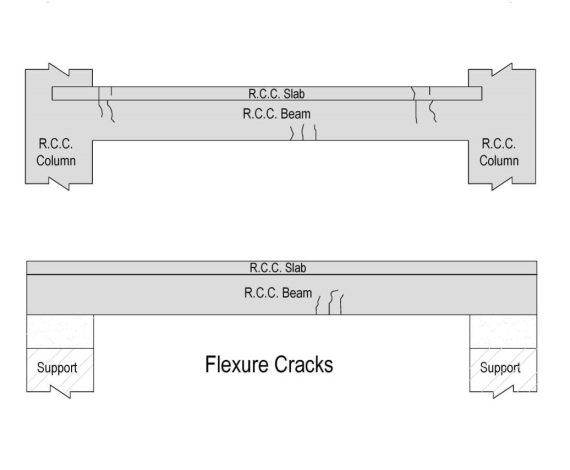

Ensuring Structural Safety
Preventing Structural Failures:
- Even Stress Distribution: Properly controlling deflection ensures stress is evenly spread across the beam, reducing the risk of failure.
- Avoiding Material Fatigue: Managing deflection prevents repeated stress cycles that could lead to cracks and breaks over time.
Maintaining Load Capacity:
- Safe Load Support: Beams must support designated loads; excessive deflection can compromise this ability, endangering the structure.
- Handling Overloads: Understanding deflection behavior helps design beams that can cope with unexpected loads, maintaining safety.
Enhancing Functionality
Maintaining Usability:
- Serviceability: Limiting deflection ensures that floors remain stable and usable, preventing issues like sagging.
- Operational Consistency: In industrial settings, controlled deflection prevents disruptions in machinery and equipment function.
Aesthetic and Structural Integrity:
- Preventing Sagging: Proper deflection limits keep beams from sagging, preserving the building’s visual appeal.
- Avoiding Damage to Finishes: Excessive deflection can cause cracks in walls and ceilings, leading to costly repairs.
Achieving Economic Efficiency
Cost-Effective Design:
- Material Efficiency: Optimal beam design reduces material use, cutting construction costs.
- Lower Maintenance Costs: Managing deflection reduces the frequency and cost of repairs over the building’s lifespan.
Extending Longevity:
- Durability: Structures with controlled deflection endure longer, providing better investment returns.
- Easier Repairs: When deflection is managed, any necessary repairs are typically less extensive and less frequent.
Enhancing Comfort and Usability
Occupant Comfort:
- Reduced Vibrations: Controlled deflection minimizes vibrations, ensuring a stable environment.
- Lower Noise Levels: Properly designed beams help reduce noise from structural movements.
Functional Integrity:
- Maintaining Level Floors: Keeping deflection within limits ensures floors remain level, supporting normal use.
- Proper Door and Window Function: Controlling deflection prevents misalignment of doors and windows.
Meeting Legal and Regulatory Standards
Building Code Compliance:
- Adherence to Standards: Ensuring beams meet deflection limits set by building codes is crucial for legal occupancy.
- Certification Success: Structures with controlled deflection are more likely to pass inspections and obtain necessary certifications.
Supporting Environmental Goals
Promoting Sustainability:
- Efficient Resource Use: Proper deflection management uses materials efficiently, reducing waste.
- Energy Conservation: Limiting deflection helps maintain insulation and thermal performance, lowering energy use.
Building Resilience:
- Disaster Preparedness: Designing for controlled deflection ensures buildings can withstand natural disasters without catastrophic failure.
Practical Examples
Residential Applications:
- Floor Stability: Residential floor beams designed to limit deflection ensure comfort and prevent damage.
- Roof Safety: Roof beams with controlled deflection avoid sagging, preventing water pooling and leaks.
Commercial Structures:
- Office Integrity: Office floors designed to minimize deflection avoid disruptive vibrations and maintain partition integrity.
- Retail Experience: Controlled deflection in retail spaces prevents visible sagging, enhancing customer experience.
Infrastructure Projects:
- Bridge Safety: Bridges with properly managed deflection ensure the safety and comfort of users.
- Highway Stability: Highways and overpasses designed for minimal deflection maintain smooth, safe travel conditions.
In summary, beam deflection is a critical factor in ensuring the safety, functionality, economic efficiency, comfort, and environmental sustainability of buildings and structures. Properly managing beam deflection is essential for engineers and architects to design and construct reliable and long-lasting structures.

Lorem ipsum dolor sit amet, consetetur sadipscing elitr, sed diam nonumy eirmod tempor invidunt ut labore et dolore magna aliquyam erat, sed diam voluptua. At vero eos et accusam et justo duo dolores et ea rebum. Stet clita kasd gubergren, no sea takimata sanctus est Lorem ipsum dolor sit amet. Lorem ipsum dolor sit amet, consetetur sadipscing elitr, sed diam nonumy eirmod tempor invidunt ut labore et dolore magna aliquyam erat, sed diam voluptua. At vero eos et accusam et justo duo dolores et ea rebum. Stet clita kasd gubergren, no sea takimata sanctus est Lorem amet.Loem ipsum dolor sit amet, consetetur sadipscing elitr, sed diam nonumy eirmod tempor invidunt ut labore et dolore magna aliquyam erat, sed diam voluptua. At vero eos et accusam.
