
Introduction
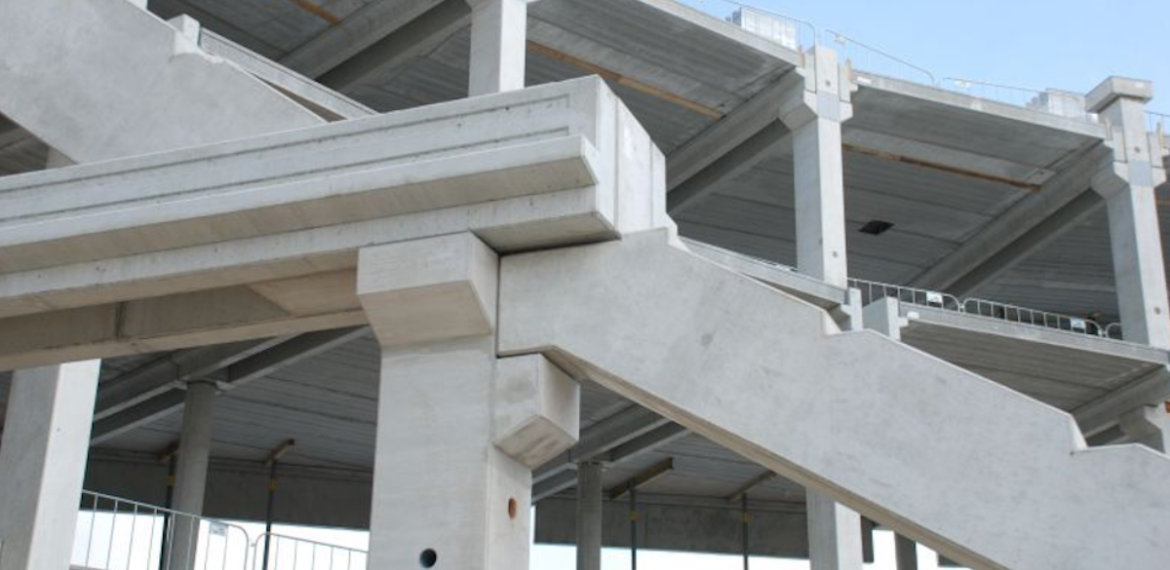
Precast construction has transformed the building industry by offering significant advantages in efficiency, quality control, sustainability, and safety compared to traditional cast-in-situ methods. This method involves manufacturing structural components such as beams, columns, walls, and slabs off-site under controlled conditions, then transporting them to the construction site for assembly. The following detailed exploration highlights the multifaceted benefits of precast construction practices.
Efficiency and Speed of Construction
- Off-Site Manufacturing Advantages
- Controlled Environment: Precast elements are manufactured in factory settings, where environmental factors such as temperature and humidity can be precisely controlled. This controlled environment minimizes the risk of delays due to weather conditions, ensuring consistent production schedules.
- Simultaneous Operations: While precast elements are being manufactured off-site, on-site activities such as site preparation, foundation work, and utility installations can proceed concurrently. This parallel workstream accelerates the overall construction timeline significantly.
- Assembly and Installation Process
- Rapid Installation: Once delivered to the site, precast components are assembled swiftly using cranes and other specialized equipment. This streamlined installation process reduces construction time and labor costs while minimizing disruption to neighboring activities.
- Immediate Load-Bearing Capacity: Precast elements are designed and fabricated to bear loads immediately upon installation. This capability allows for faster progression to subsequent construction phases such as interior finishing, mechanical, electrical, and plumbing installations.
Quality Control and Consistency
- Precision Engineering and Manufacturing Standards
- Dimensional Accuracy: Precast elements are engineered with high precision, ensuring uniform dimensions and tight tolerances. This level of accuracy results in superior fit and finish, reducing the need for on-site adjustments and enhancing overall project quality.
- Material Selection and Testing: Manufacturers can rigorously test raw materials and optimize mix designs in controlled settings. This process ensures that precast components exhibit superior strength, durability, and resistance to environmental factors compared to traditional cast-in-situ construction.
- Enhanced Structural Integrity
- Advanced Curing Techniques: Precast concrete undergoes controlled curing processes in factory conditions, leading to enhanced compressive strength and durability. The curing environment minimizes the risk of shrinkage cracks and ensures consistent material performance throughout the lifespan of the structure.
- Quality Assurance: Quality control measures such as non-destructive testing, visual inspections, and stringent production protocols are integral parts of precast manufacturing. These measures mitigate the risk of defects and structural deficiencies, promoting long-term structural integrity.
Sustainability and Environmental Benefits
- Reduced Carbon Footprint
- Energy Efficiency: Prefabrication reduces energy consumption by optimizing production processes and minimizing transportation distances for raw materials and finished components. This efficiency contributes to lower greenhouse gas emissions and environmental impact over the lifecycle of the building.
- Waste Reduction: Controlled manufacturing environments minimize material waste through precise batching and formwork reuse. The reduction in construction waste supports sustainable building practices and reduces landfill contributions.
- Long-Term Resource Efficiency
- Lifecycle Performance: Precast concrete components are designed for durability and longevity, requiring minimal maintenance over their operational lifespan. Reduced maintenance needs translate to lower life cycle costs and improved economic sustainability for building owners and developers.
- Recycling and Reuse: At the end of their service life, precast components can be disassembled, recycled, or repurposed for other construction projects. This circular economy approach promotes resource conservation and minimizes material waste in the construction sector.
Safety and Site Management
- Occupational Health and Safety
- Reduced On-Site Risks: Prefabrication reduces on-site construction activities, minimizing exposure to hazardous conditions and potential accidents. Factory-based manufacturing environments prioritize worker safety and adherence to stringent health and safety regulations.
- Improved Site Organization: Prefabricated construction reduces clutter and congestion at construction sites, enhancing overall site organization and logistics management. The controlled assembly of precast elements supports safer working conditions and efficient project delivery.
- Logistical Advantages
- Traffic and Community Impact: Prefabrication mitigates disruptions to surrounding communities by minimizing on-site traffic congestion, noise pollution, and construction-related disturbances. This benefit is particularly advantageous in urban areas and densely populated environments.
- Cleaner Construction Sites: Controlled manufacturing and assembly of precast elements maintain cleaner and more organized construction sites. Improved site cleanliness enhances project aesthetics, environmental stewardship, and community relations.
Versatility and Design Flexibility
- Architectural Adaptability
- Design Freedom: Precast technology enables architects and designers to explore innovative shapes, textures, and finishes. Customizable precast elements accommodate diverse architectural styles and functional requirements, enhancing design flexibility and creative expression.
- Integration with Building Systems: Precast components can incorporate embedded conduits, HVAC ducts, and other building systems during manufacturing. This integration streamlines on-site installations, improves building performance, and supports sustainable building practices.
- Seismic Resilience and Structural Performance
- Enhanced Seismic Design: Precast construction techniques are conducive to seismic-resistant building designs. Engineered connections and robust structural systems enhance building resilience and safety in earthquake-prone regions, ensuring occupant protection and structural stability during seismic events.
Real-World Applications and Examples
- Residential and Commercial Buildings
- High-Rise Construction: Precast concrete panels and floor slabs accelerate construction timelines for high-rise residential and commercial buildings. The use of precast elements supports urban densification strategies and meets growing demand for sustainable housing solutions.
- Educational Facilities: Schools, universities, and institutional buildings benefit from the rapid construction capabilities and durable performance of precast concrete. Precast components facilitate the timely completion of educational projects while ensuring long-term building durability and functionality.
- Infrastructure Projects
- Bridges and Transportation Hubs: Prefabricated bridge components, such as girders and deck panels, expedite bridge construction schedules and enhance transportation network efficiency. The use of precast concrete in infrastructure projects improves project delivery times, minimizes traffic disruptions, and enhances structural reliability.
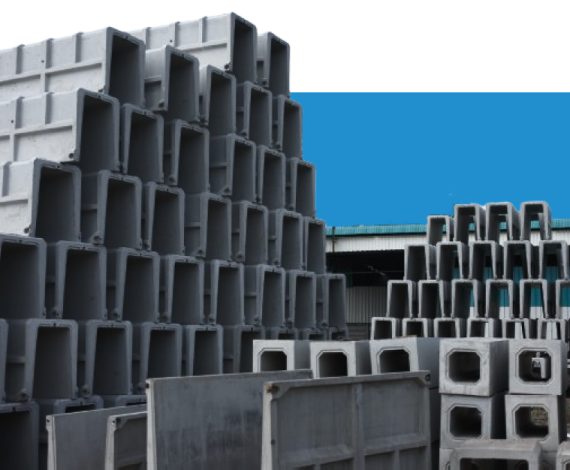
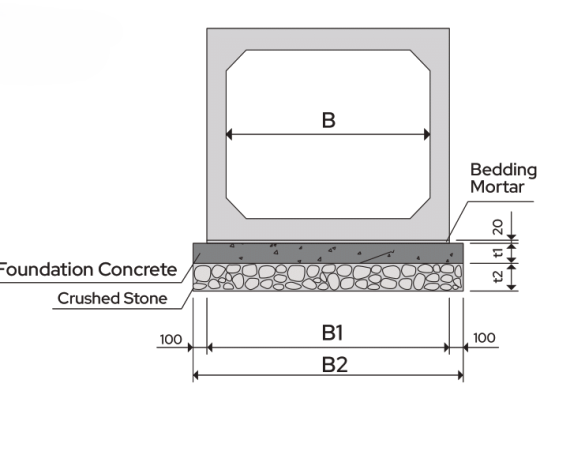
- Water and Wastewater Infrastructure: Precast manholes, culverts, and stormwater management systems optimize the construction of water infrastructure projects. The durability and corrosion resistance of precast concrete support long-term performance and operational efficiency in water management applications.
Conclusion
Precast construction practices exemplify a transformative approach to building design and construction, offering unparalleled benefits in efficiency, quality control, sustainability, and safety. As the construction industry continues to evolve, the widespread adoption of precast methods underscores their role in advancing sustainable building practices, enhancing project delivery efficiency, and supporting resilient infrastructure development worldwide. By embracing precast technology and innovative construction techniques, stakeholders can achieve significant economic, environmental, and social benefits while meeting the evolving demands of urbanization and infrastructure modernization.
- Off-Site Manufacturing Advantages

Lorem ipsum dolor sit amet, consetetur sadipscing elitr, sed diam nonumy eirmod tempor invidunt ut labore et dolore magna aliquyam erat, sed diam voluptua. At vero eos et accusam et justo duo dolores et ea rebum. Stet clita kasd gubergren, no sea takimata sanctus est Lorem ipsum dolor sit amet. Lorem ipsum dolor sit amet, consetetur sadipscing elitr, sed diam nonumy eirmod tempor invidunt ut labore et dolore magna aliquyam erat, sed diam voluptua. At vero eos et accusam et justo duo dolores et ea rebum. Stet clita kasd gubergren, no sea takimata sanctus est Lorem amet.Loem ipsum dolor sit amet, consetetur sadipscing elitr, sed diam nonumy eirmod tempor invidunt ut labore et dolore magna aliquyam erat, sed diam voluptua. At vero eos et accusam.
