

Structural design is a critical component of building construction, and its importance extends far beyond the technical realm, impacting the safety, usability, and longevity of buildings in ways that are highly relevant to everyday people.
Here’s a detailed look at why structural design is so crucial:
- Safety
Structural Integrity
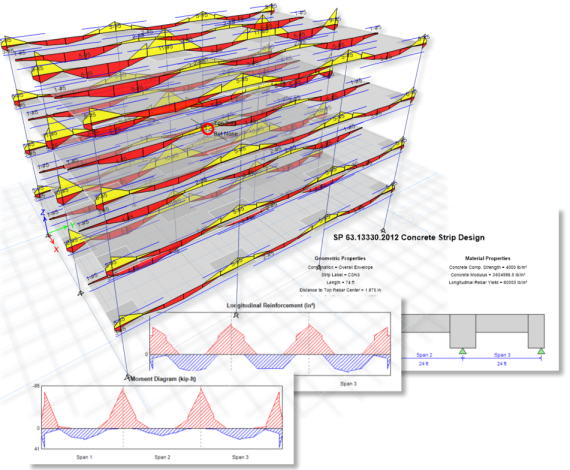
- Load Bearing: Proper structural design ensures that buildings can carry the intended loads, including static loads (like the building materials themselves) and dynamic loads (like people moving inside the building). This involves calculating the maximum stress that different components (beams, columns, floors) can handle without failure.
- Stress Resistance: Buildings must withstand different stresses such as tension, compression, shear, and torsion. For example, high winds create shear stress, while heavy snowfall leads to compression stress on roofs.
- Redundancy: Good design includes multiple load paths so that if one element fails, others can take over the load, preventing catastrophic collapse.
Durability
- Material Selection: Choosing durable materials that resist weathering, corrosion, and wear. For example, using concrete with additives that prevent cracking, or treated wood that resists termites and rot.
- Protective Coatings: Applying protective coatings or treatments to materials to extend their lifespan. For example, galvanized steel for resistance to rust.
- Design for Maintenance: Ensuring that structural elements are accessible for maintenance and inspection, which helps in early detection and repair of potential issues.
- Functionality
Usability
- Space Planning: Designing structures that support the intended use of the space. For example, commercial buildings need open floor plans without columns obstructing the space, which requires careful structural design of beams and supports.
- Load Accommodation: Ensuring that floors can support the expected weight from furniture, equipment, and occupants. For example, a library floor must be designed to support the weight of heavy bookshelves.
Adaptability
- Modular Design: Creating structures that can be easily modified or expanded. For example, using prefabricated elements that can be added or removed as needed.
- Flexible Layouts: Designing spaces that can be repurposed for different functions without significant structural changes. For example, office buildings with movable partitions.
- Economic Efficiency
Cost-Effectiveness
- Material Optimization: Using the minimum amount of materials necessary for safety and performance, which reduces waste and costs. This involves precise calculations and sometimes advanced materials that provide better strength-to-weight ratios.
- Efficient Construction Methods: Employing construction techniques that save time and labor, such as prefabrication or modular construction, which can reduce overall project costs.
Investment Protection
- Long-Term Performance: Ensuring that buildings retain their value over time by designing for longevity and minimal maintenance. A building that remains in good condition attracts better tenants or resale value.
Risk Mitigation: Reducing the risk of structural failure or significant damage, which can lead to expensive repairs or even legal liabilities.
- Comfort and Aesthetics
Stability and Vibration Control
- Dynamic Analysis: Assessing how the building responds to dynamic forces like wind and human movement. Ensuring that floors don’t excessively vibrate or sway, which can be unsettling or even harmful to occupants.
- Acoustic Design: Incorporating soundproofing measures within structural elements to enhance the acoustic comfort of the building.
Architectural Freedom
- Innovative Solutions: Using advanced structural engineering techniques to support unique architectural designs, such as cantilevered sections or large open spaces.
- Aesthetic Integration: Designing structural elements that enhance rather than detract from the building’s aesthetic appeal, like exposed steel beams or elegant concrete forms.
- Environmental Considerations
Sustainability
- Recycled Materials: Using materials with recycled content, such as steel or concrete made with fly ash, to reduce environmental impact.
- Energy Efficiency: Designing structures that contribute to energy efficiency, such as using thermal mass in walls to regulate temperature or creating spaces that allow for natural ventilation and light.
Resilience
- Disaster-Resistant Design: Incorporating features that make buildings more resistant to natural disasters. For example, designing foundations that can withstand soil liquefaction during an earthquake.
- Climate Adaptation: Ensuring buildings can cope with changing climate conditions, such as increased rainfall or higher temperatures.
- Legal and Regulatory Compliance
Building Codes and Standards
- Compliance: Adhering to local and international building codes and standards, which specify minimum requirements for structural safety and performance.
- Inspection and Certification: Ensuring that buildings pass all necessary inspections and obtain certifications of compliance, which can be crucial for occupancy permits and insurance.
- Peace of Mind
Trust and Confidence
- Assured Safety: Providing occupants with the assurance that the building is safe for everyday use, as well as in emergencies.
- Reliability: Knowing that the structure is reliable and will perform as expected under all foreseeable conditions.
Real-Life Examples
Residential Buildings
- Earthquake-Resistant Homes: In earthquake-prone areas, homes with reinforced frames and foundations provide safety during seismic events.
- Energy-Efficient Houses: Homes designed with insulated walls and roofs, and passive solar heating, ensure comfort and lower energy bills.
Commercial Buildings
- High-Rise Offices: Skyscrapers designed with wind resistance in mind, using tuned mass dampers to reduce sway and ensure occupant comfort.
- Shopping Malls: Structures with large open spaces and wide corridors, designed to handle heavy foot traffic and large crowds safely.
Public Infrastructure
- Bridges: Bridges designed to handle both static loads (vehicles) and dynamic loads (wind, seismic activity) to ensure safety and longevity.
- Hospitals and Schools: Buildings designed to remain operational during and after disasters, ensuring they can serve the community when most needed.
In conclusion, structural design is a multi-faceted discipline that ensures buildings are safe, functional, cost-effective, and resilient, significantly impacting the quality of life and safety of all who use them.

Lorem ipsum dolor sit amet, consetetur sadipscing elitr, sed diam nonumy eirmod tempor invidunt ut labore et dolore magna aliquyam erat, sed diam voluptua. At vero eos et accusam et justo duo dolores et ea rebum. Stet clita kasd gubergren, no sea takimata sanctus est Lorem ipsum dolor sit amet. Lorem ipsum dolor sit amet, consetetur sadipscing elitr, sed diam nonumy eirmod tempor invidunt ut labore et dolore magna aliquyam erat, sed diam voluptua. At vero eos et accusam et justo duo dolores et ea rebum. Stet clita kasd gubergren, no sea takimata sanctus est Lorem amet.Loem ipsum dolor sit amet, consetetur sadipscing elitr, sed diam nonumy eirmod tempor invidunt ut labore et dolore magna aliquyam erat, sed diam voluptua. At vero eos et accusam.
