

Ganesh Utsav, a widely celebrated festival dedicated to Lord Ganesha, symbolizes wisdom, prosperity, and the removal of obstacles. While this festival is marked by vibrant decorations and grand celebrations, it also presents an opportunity to reflect on key principles that resonate within the field of structural engineering—planning, stability, sustainability, and collaboration. At Pramukh Design Consultancy, these principles are not just theoretical concepts but the foundation of every project we undertake. In this blog, we explore how the essence of Ganesh Utsav aligns with the core aspects of structural engineering.
Building with Ganesha: Structural Insights from Festive Traditions
1. Stability and Resilience: Core Values of Lord Ganesha and Structural Engineering
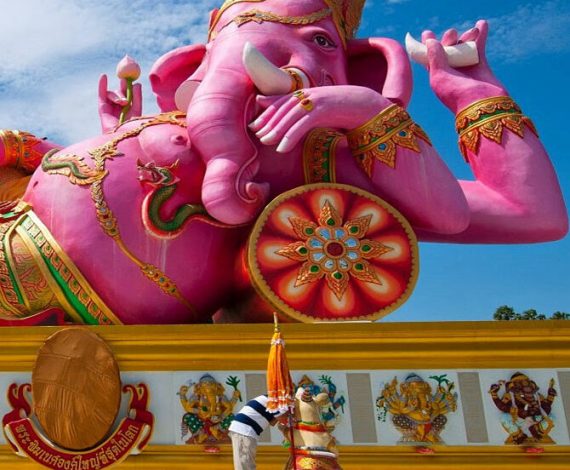
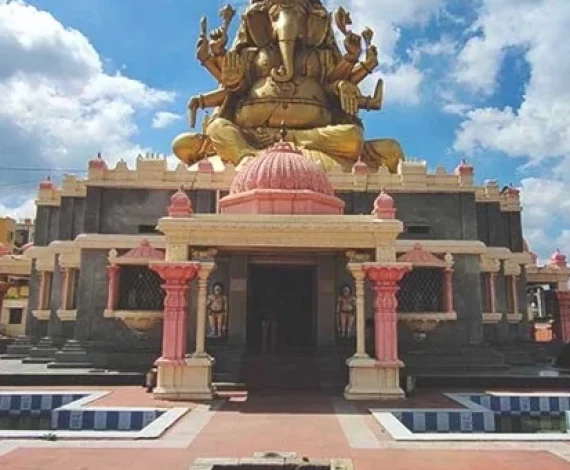
The iconic image of Lord Ganesha, with his sturdy posture and stable base, mirrors the fundamental requirements of any structural design—stability and resilience. In structural engineering, stability is paramount, ensuring that buildings and infrastructures can withstand various forces, including gravity, wind, and seismic activities. Similarly, Ganesha’s presence during the festival symbolizes the importance of a solid foundation, reminding us that every structure, from bridges to high-rises, must be designed to stand firm against unforeseen challenges.
2. Precision in Planning and Execution: A Shared Practice
Just as the intricate process of crafting Ganesha idols requires precise planning, structural engineering demands rigorous design and execution. Each stage—from conceptual design to final construction—requires careful consideration of factors such as load calculations, material specifications, and safety standards. During Ganesh Utsav, temporary structures like pandals are meticulously designed to safely accommodate large crowds and withstand environmental loads. This parallels the engineering practices where precision in planning and adherence to design codes ensure the safety and functionality of any structure.
3. Sustainable Practices: The Intersection of Tradition and Modern Engineering
Recent shifts toward eco-friendly celebrations of Ganesh Utsav, including the use of clay idols and biodegradable materials, highlight a growing commitment to sustainability. In structural engineering, sustainability has become a critical focus, integrating green building practices such as energy-efficient designs, use of recycled materials, and minimization of environmental impacts. This alignment reflects a broader industry trend toward creating structures that are not only safe and durable but also environmentally responsible—much like the evolving practices seen during the festival.
4. Load Management: Temporary Pandals and Permanent Structures
The construction of pandals during Ganesh Utsav involves understanding and managing dynamic and static loads, similar to the design of permanent structures. Engineers must account for live loads (crowds) and environmental loads (wind and rain), ensuring that these temporary setups are safe and stable. This expertise in load management is at the heart of structural engineering, where precise calculations and simulations help predict how structures will perform under various conditions, ensuring they meet the necessary safety requirements.
5. Collaboration and Coordination: The Backbone of Successful Projects
Ganesh Utsav’s successful execution relies on the collaboration of various stakeholders, including artists, engineers, and volunteers. Likewise, structural engineering projects are a collective effort that demands coordination among architects, engineers, contractors, and clients. At Pramukh Design Consultancy, we emphasize integrated project delivery, ensuring that every team member’s expertise contributes to the overall success of a project. This collaborative approach not only enhances efficiency but also aligns with the spirit of teamwork that is central to Ganesh Utsav.
6. Embracing Technology: Enhancing Safety and Efficiency
The use of modern technology in structural design, such as Building Information Modeling (BIM) and structural analysis software, parallels the innovative methods seen in large-scale festival setups. From virtual simulations of load-bearing capacities to real-time monitoring of structural health, technology plays a crucial role in enhancing the safety and efficiency of both temporary festival structures and permanent engineering projects. As engineers, embracing these technologies allows us to create more robust, optimized, and safer structures.
Conclusion
Ganesh Utsav is more than a cultural celebration; it embodies principles that are integral to the field of structural engineering. From stability and sustainability to meticulous planning and collaboration, these values are reflected in both the festivities and the day-to-day work of engineers. At Pramukh Design Consultancy, we draw inspiration from these parallels, continually striving to enhance our practices and deliver projects that stand the test of time.
As we celebrate Ganesh Utsav, let us acknowledge the profound connections between tradition and technology, culture and engineering. May the spirit of Lord Ganesha guide us in building structures that are safe, sustainable, and resilient.

Lorem ipsum dolor sit amet, consetetur sadipscing elitr, sed diam nonumy eirmod tempor invidunt ut labore et dolore magna aliquyam erat, sed diam voluptua. At vero eos et accusam et justo duo dolores et ea rebum. Stet clita kasd gubergren, no sea takimata sanctus est Lorem ipsum dolor sit amet. Lorem ipsum dolor sit amet, consetetur sadipscing elitr, sed diam nonumy eirmod tempor invidunt ut labore et dolore magna aliquyam erat, sed diam voluptua. At vero eos et accusam et justo duo dolores et ea rebum. Stet clita kasd gubergren, no sea takimata sanctus est Lorem amet.Loem ipsum dolor sit amet, consetetur sadipscing elitr, sed diam nonumy eirmod tempor invidunt ut labore et dolore magna aliquyam erat, sed diam voluptua. At vero eos et accusam.
